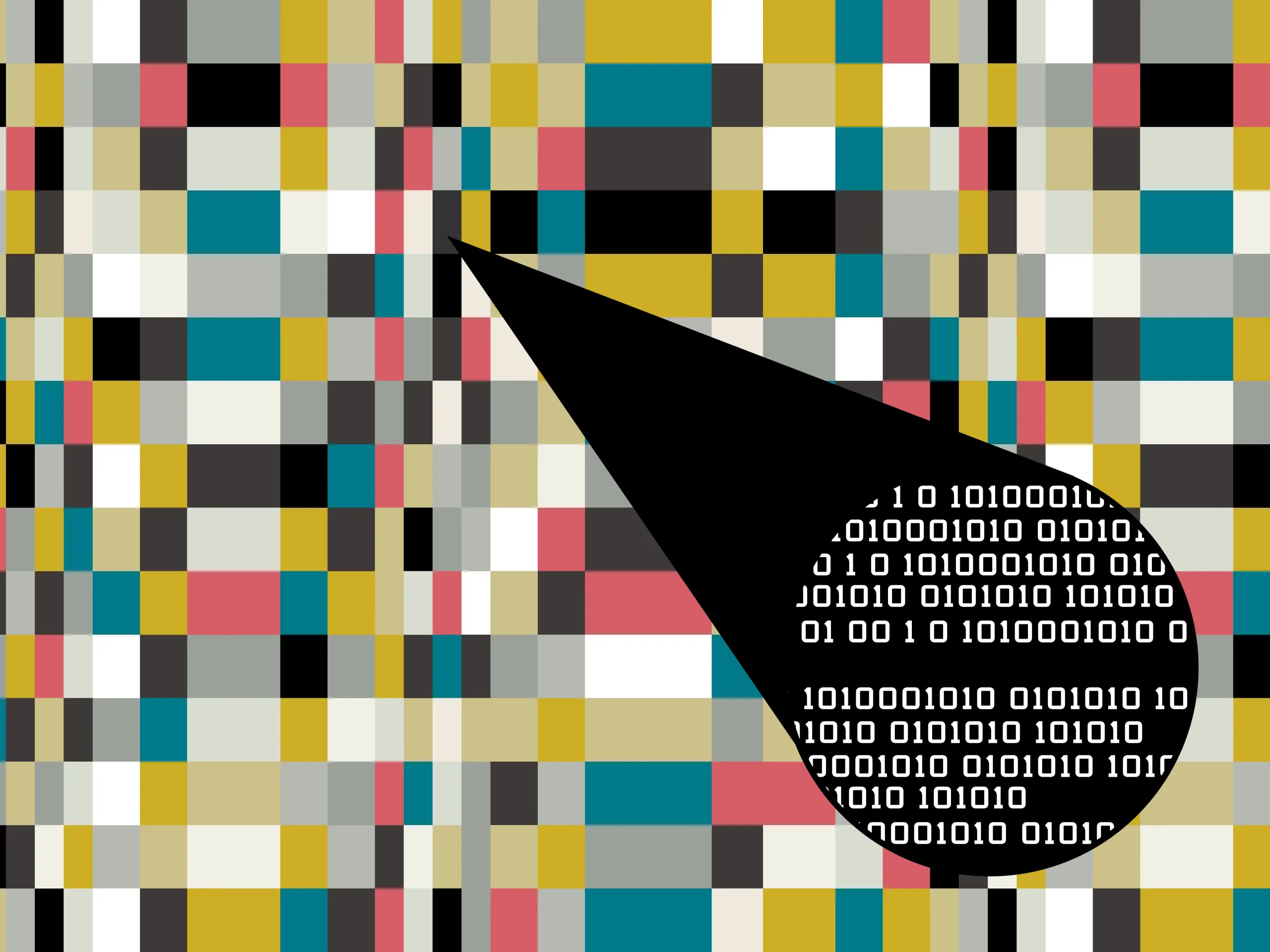
Steganography is the art of hiding secret information within an innocuous carrier, like an image. One common technique involves modifying the least significant bit (LSB) of the pixel values in an image. Here’s how it works:
Binary Representation: In digital images, each pixel’s color is represented by a combination of red, green, and blue values (RGB). Each of these color values is typically represented using 8 bits, ranging from 0 to 255. For example, the color red might be represented as (255, 0, 0) in RGB format.
Least Significant Bit (LSB): The LSB of a binary number is its rightmost bit, which represents the smallest value. In the context of image pixels, modifying the LSB doesn’t noticeably change the color of the pixel.
Encoding Text: To hide text in an image, each character of the text is converted into its binary representation. Then, the LSB of the RGB values of selected pixels in the image are replaced with the binary representation of the text characters. Since the LSB doesn’t significantly affect the pixel’s color, the change is imperceptible to the human eye.
Decoding Text: To extract the hidden text from the image, the LSB of the RGB values of selected pixels is examined. By extracting the LSBs and combining them, the binary representation of the hidden text can be reconstructed. Then, the binary representation is converted back into text.
Steganography is used for several reasons:
Covert Communication: Steganography allows for secret communication between parties without attracting attention. Since the existence of the hidden message is concealed within an innocuous carrier (like an image or audio file), it can pass undetected through surveillance or monitoring systems.
Security: Steganography adds an extra layer of security to sensitive information. By hiding data within other data, it makes it harder for unauthorized parties to discover or intercept the secret message.
Digital Watermarking: Steganography is also employed in digital watermarking, where information (such as copyright details or ownership information) is embedded into digital media files to prove authenticity or ownership.
Concealment of Metadata: Steganography can be used to conceal metadata or other identifying information within digital files, helping to protect the privacy of individuals or the confidentiality of sensitive documents.
Steganalysis and Security Research: Steganography techniques are also used in security research and steganalysis, which involves detecting and analyzing hidden messages in digital media for forensic or security purposes.
Overall, steganography serves as a valuable tool for covert communication, security, and privacy protection in various contexts, including intelligence gathering, digital forensics, and data protection.
This technique allows for the concealment of text within an image without altering its appearance visibly. However, it’s worth noting that repeatedly modifying the LSB of many pixels can introduce subtle artifacts into the image, potentially raising suspicion.
This post was created entirely using ChatGPT]. OpenAI.
Prompts used :
how steganography can be used to hide text in an image by modifying the least significant bit
Explained in a simpler way
why is steganography used
generate a catchy title